A Residency Route Built Around an Asset, Not a Sponsor
Since the UAE overhauled its long-term residency system, the property-based Golden Visa has become the most requested service at our firm, and for good reason. Buy qualifying real estate worth at least AED 2,000,000, and you can obtain a 10-year renewable UAE residence visa without an employer, a local sponsor, or a minimum stay requirement in the country. In 2026, the framework remains stable, but the details around eligible property types, mortgaged assets, and joint ownership are precisely where applicants lose time if they file without proper guidance.
Who Qualifies and What Counts as Eligible Property
The AED 2 million threshold can be met with a single unit or, in most cases, a combination of properties, provided the total value is verified through an official valuation. Off-plan units from developers approved by the Dubai Land Department generally qualify, which opens the door to investors who prefer payment plans over lump-sum purchases. If the property is mortgaged, at least 50 percent of its value must be paid off and confirmed by a bank no-objection letter. The visa extends to a spouse, children regardless of age if financially supported, parents, and domestic staff, which makes it a genuinely family-oriented residency tool rather than an individual perk.
Where the Investment Threshold Actually Gets You a Home
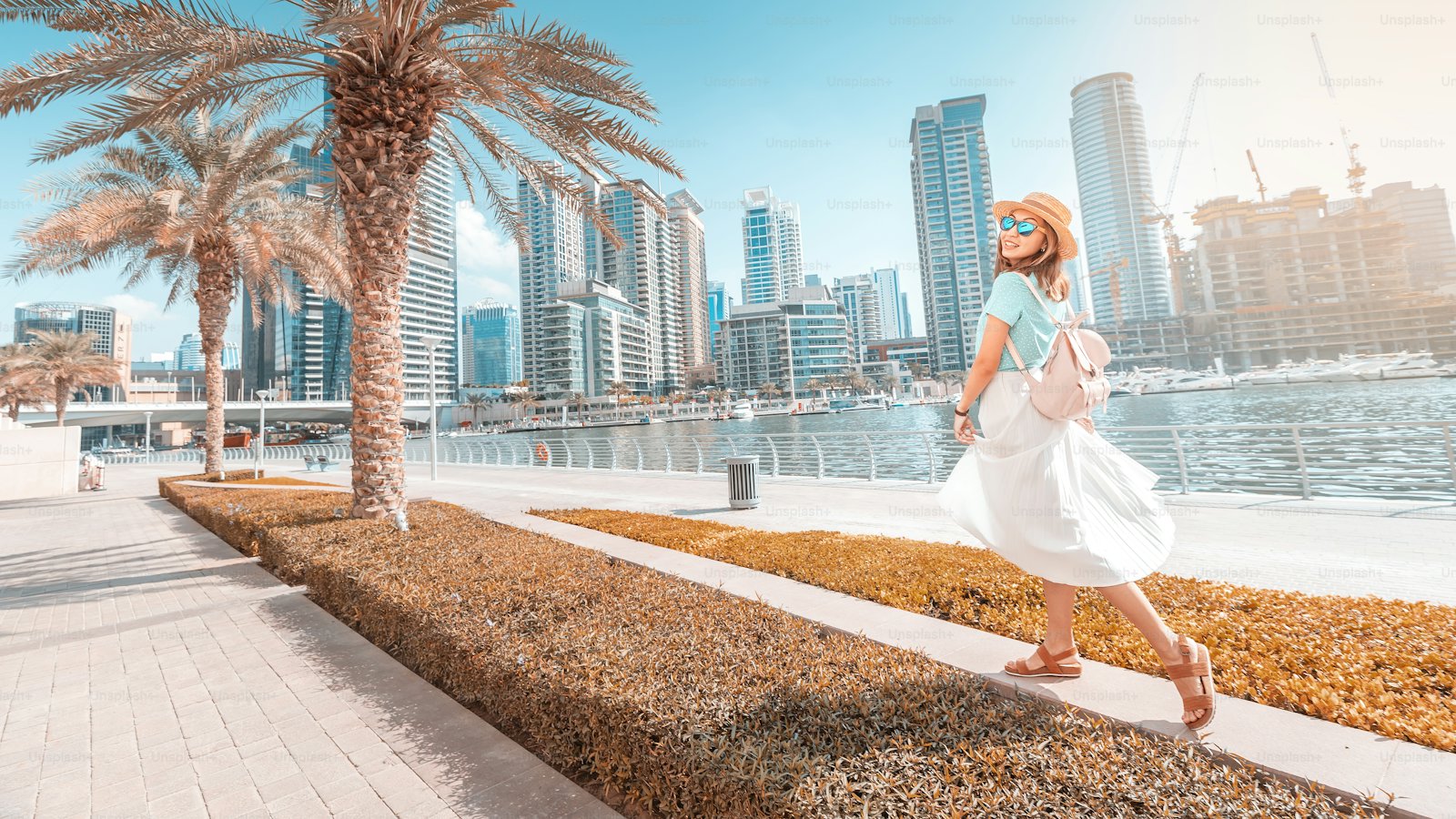
AED 2 million is a meaningful but not extreme budget in Dubai's current market, and where you deploy it matters for both lifestyle and resale value. In Downtown Dubai and Dubai Marina, this range typically covers a well-specified one- or two-bedroom apartment with established rental demand. In Business Bay and Dubai Hills Estate, the same budget can secure larger layouts or units in newer towers with longer payment plans. Palm Jumeirah and Emirates Hills sit above this threshold for most product types, appealing more to investors who plan to combine the visa with a primary residence rather than a rental asset. Infrastructure quality, metro access, and school proximity all affect long-term tenant demand, so the choice of area should be assessed alongside the visa strategy, not separately from it.
Comparing the Main Routes to UAE Long-Term Residency
| Route | Minimum threshold | Validity | Typical processing time | Best suited for |
|---|---|---|---|---|
| Property investment | AED 2,000,000 | 10 years, renewable | 4-8 weeks after purchase | Investors and relocating families who already want a UAE base |
| Business ownership / investment | Varies by emirate and free zone | 10 years, renewable | 6-10 weeks | Entrepreneurs setting up an active company |
| Specialized talent (professionals, executives) | No fixed capital requirement | 10 years, renewable | 4-6 weeks | Senior professionals with qualifying credentials |
Property investment remains the most predictable route because eligibility depends on a verifiable asset rather than a discretionary review of a business plan or professional profile.
Documents, Process, and Timeline
Applicants typically need the title deed or a developer's Oqood certificate for off-plan purchases, a bank reference or NOC if a mortgage is involved, passport copies, a recent property valuation, and standard medical and Emirates ID formalities once the visa is approved. Several of these documents require notarization or attested translation before submission, which is where delays commonly occur for buyers unfamiliar with UAE authentication procedures. Handled correctly, the process from signed sale agreement to visa stamping usually takes between four and eight weeks.
Tax Position and Long-Term Ownership Planning
Holding the Golden Visa does not itself change your tax position, but the underlying property purchase does raise practical questions worth addressing early: whether UAE tax residency should be formally established, how service charges and VAT on certain transactions are treated, and how the property will pass to heirs. Registering a UAE-compliant will for the property is a step many overseas buyers skip, and one that can complicate inheritance considerably if it is not addressed at the point of purchase.
Frequently Asked Questions
Can I get a Golden Visa with an off-plan property?
Yes, provided the developer is approved by the Dubai Land Department and the purchase value meets the AED 2 million threshold, verified through an official valuation or payment schedule.
Does a mortgage disqualify my property from the Golden Visa?
No, but at least 50 percent of the property's value must be paid and confirmed by the lending bank before the application is submitted.
Can my spouse and children be included on the same visa application?
Yes. The property-based Golden Visa allows sponsorship of a spouse, children of any age if financially dependent, parents, and domestic staff.
How long does the whole process take from purchase to visa approval?
With complete documentation, four to eight weeks is typical, though timelines can shift depending on the property type and valuation process.
Do I need to live in the UAE full-time to keep the visa valid?
No. Unlike standard employment visas, the Golden Visa has no minimum residency requirement to remain valid.
Should I set up a will for a UAE property held under a Golden Visa?
It is strongly recommended. A registered UAE will avoids default inheritance rules being applied to the property and speeds up any future transfer to heirs.
DDA Consulting handles the full cycle for property-based Golden Visa applications, from reviewing the qualifying purchase and preparing notarized documentation to filing with the relevant authorities and coordinating linked services such as bank accounts and wills. Contact our team for a free consultation to assess your eligibility and plan the fastest route to approval.