A Different Market With Its Own Rules
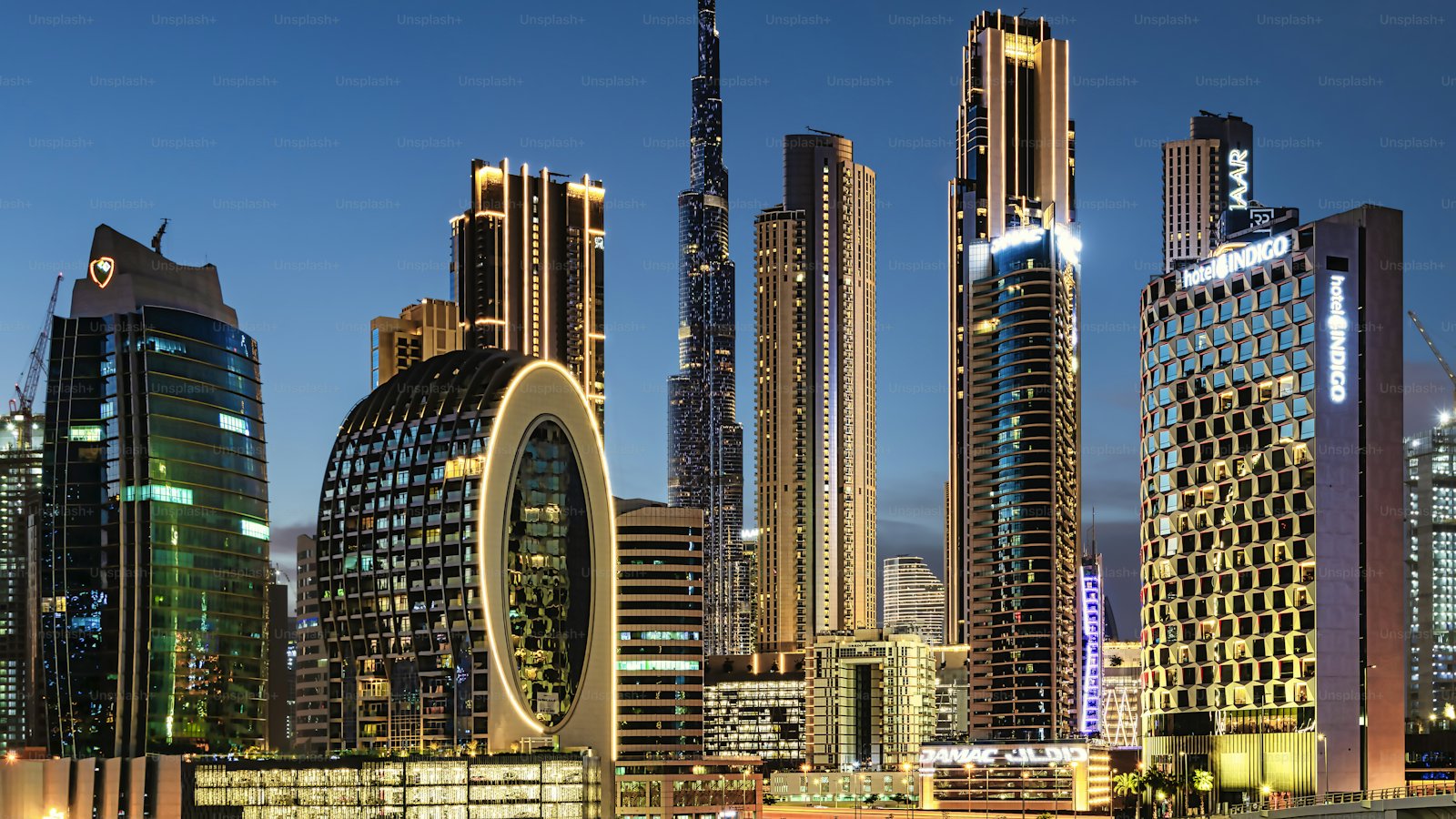
Dubai's residential market gets most of the headlines, but commercial real estate — offices, retail units, showrooms and logistics facilities — is where a growing number of serious investors are putting capital in 2026. Grade A office vacancy in prime clusters such as DIFC and Business Bay remains historically tight, warehouse demand in Dubai South and Al Quoz continues to climb alongside e-commerce growth, and yields on commercial assets typically sit noticeably higher than on comparable residential units. The trade-off is a more complex legal and structural framework, and this is where many first-time commercial buyers underestimate what is required before they can sign anything.
Freehold, Leasehold and Foreign Ownership
As with residential property, foreign nationals can buy commercial units with full freehold ownership only within designated freehold zones — Business Bay, DIFC, Dubai South, Jumeirah Lake Towers and a number of other master-planned districts qualify. Outside these zones, commercial property is generally reserved for UAE and GCC nationals, or requires a leasehold arrangement of up to 99 years. Before making an offer, every buyer should confirm the exact ownership status of the plot or unit through the Dubai Land Department and, where relevant, the free zone authority — a step DDA Consulting handles as part of due diligence on every transaction we support.
Buying Through a Company: Almost Always Necessary
Unlike residential purchases, where an individual can hold a title deed directly, most commercial property in Dubai is acquired through a corporate vehicle — either a mainland LLC or a free zone company, depending on the intended use of the asset and the tenant profile you expect to attract. The choice of structure affects licensing costs, permitted business activities, VAT registration obligations and how easily you can later lease, sublease or sell the unit. Setting up the right entity before the purchase — rather than after — avoids delays at the transfer stage and additional notarization steps further down the line. This is one of the areas where legal and company-formation advice genuinely changes the outcome of a commercial deal.
Location and Infrastructure Considerations
Location drives commercial performance even more directly than it does residential returns. Business Bay and DIFC attract financial, legal and consulting tenants and command premium office rents thanks to metro connectivity and proximity to Downtown Dubai. Jumeirah Lake Towers offers a lower entry point with solid demand from SME tenants and free zone companies. Dubai South and Al Quoz serve the logistics and light-industrial segment, benefiting from proximity to Al Maktoum International Airport, Jebel Ali Port and the expanding road network feeding both. Each of these locations carries a different risk and yield profile, and the right choice depends heavily on the tenant base you are targeting.
| Area / Asset Type | Typical Buyer Profile | Indicative Price Range (AED) | Investment Angle |
|---|---|---|---|
| Business Bay — Grade A offices | Institutional and HNWI investors | 1.8M – 6M+ per unit | Premium rents, strong long-term tenant demand |
| JLT — offices and retail | SME investors, first-time commercial buyers | 900K – 2.5M per unit | Lower entry cost, steady occupancy from free zone tenants |
| Dubai South — warehouses/logistics | Logistics operators, institutional funds | Priced per sq ft, project-dependent | Rising demand from e-commerce and airport-linked trade |
These figures are indicative only — actual pricing depends on the specific building, floor, fit-out condition and current market cycle. DDA Consulting can provide an up-to-date valuation and comparable transaction data as part of a free consultation before you commit.
VAT, Corporate Tax and Ongoing Compliance
Commercial property transactions differ from residential ones in one important respect: the sale and lease of commercial units are generally subject to 5% VAT, whereas most residential leasing is VAT-exempt. This affects both the purchase price calculation and the ongoing rental income structure, and it usually requires the buying entity to register for VAT with the Federal Tax Authority. Rental income from commercial property is also factored into the corporate tax position of the owning company under the UAE Corporate Tax regime, making proper accounting from day one essential rather than optional. Our accounting and VAT team typically sets this up in parallel with the property transaction itself, so the entity is compliant from its first invoice.
Leasing, Ejari and Notarized Documents
Once acquired, commercial units are leased under Ejari-registered contracts, and any power of attorney used to manage leasing, renewals or eviction proceedings on your behalf must be properly notarized — either locally or, for overseas owners, through the UAE embassy or apostille process in the country of signing. Investors who plan to manage the asset remotely should set up a notarized POA in favor of a local representative at the same time as the purchase, rather than scrambling for one when the first tenant issue arises.
Frequently Asked Questions
Can a foreign investor own 100% of a commercial unit in Dubai?
Yes, within designated freehold zones such as Business Bay, DIFC, JLT and Dubai South. Outside these areas, ownership is generally restricted to UAE and GCC nationals or requires a long-term leasehold structure.
Do I need a UAE company to buy commercial property?
In most cases, yes. Commercial units are typically held through a mainland LLC or free zone company rather than in an individual's name, which also affects licensing, VAT registration and future resale.
Is commercial property subject to VAT in the UAE?
Generally yes — the sale and lease of commercial property is standard-rated at 5% VAT, unlike most residential leasing, which is VAT-exempt.
What returns can I expect from commercial property in Dubai?
Yields vary by asset type and location and can be higher than residential returns in some segments, but any projected figure should be treated as indicative and verified against current market data, tenant demand and the specific building's occupancy history.
Can commercial property investment lead to UAE residency?
Property-linked residence visas are generally assessed on total qualifying investment value rather than asset type, so commercial property can, in certain cases, count toward residency eligibility — this should be confirmed against current thresholds during a consultation.
Do I need to be in Dubai to complete the purchase?
Not necessarily. With a properly notarized power of attorney, the transaction, company formation and even VAT registration can be handled by a local representative on your behalf.
Commercial real estate in Dubai rewards investors who get the structure right before they buy, not after. DDA Consulting advises on ownership zoning, company formation, VAT registration and notarized documentation for commercial property transactions across Dubai — contact our team for a free consultation before your next acquisition.